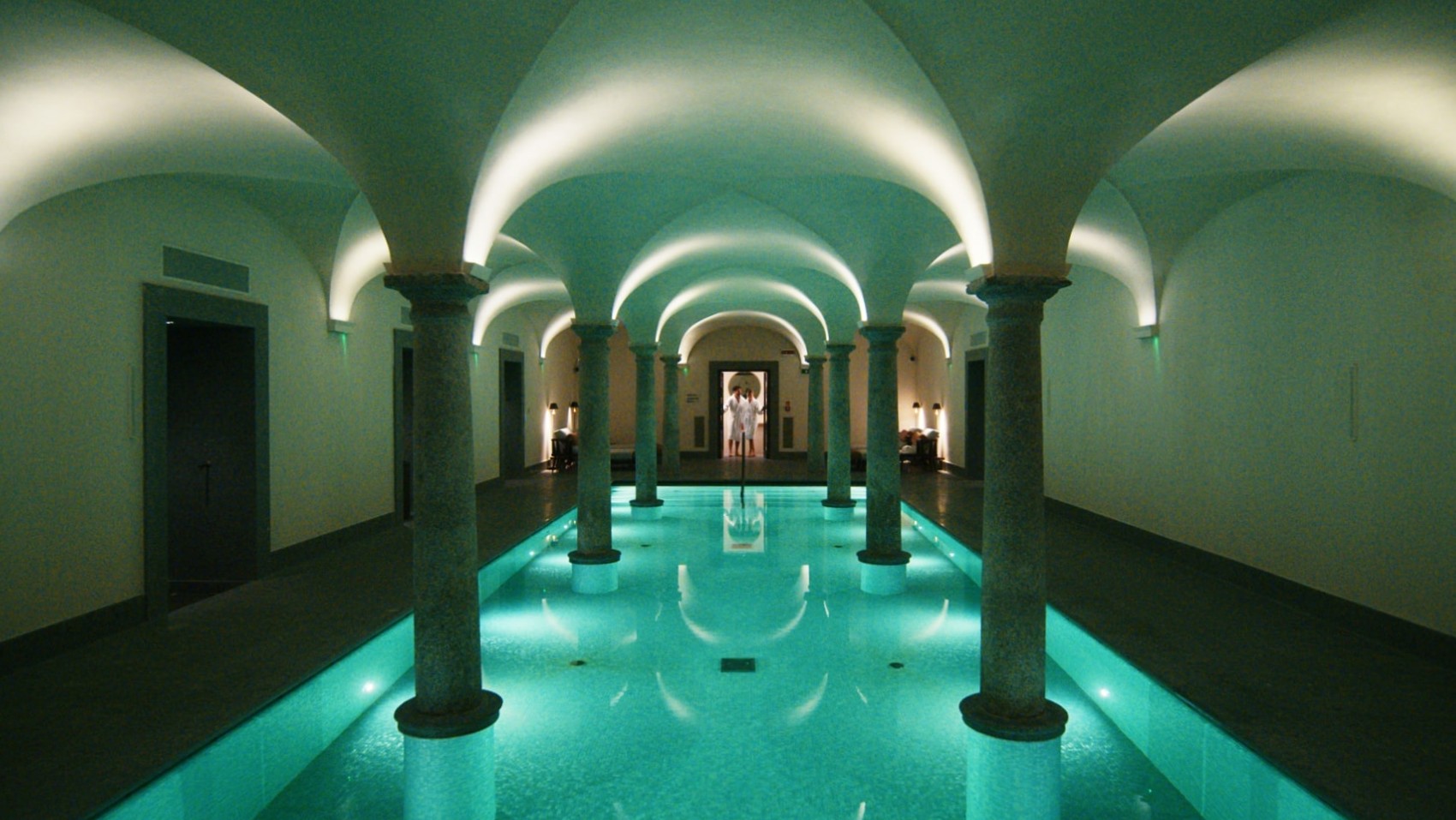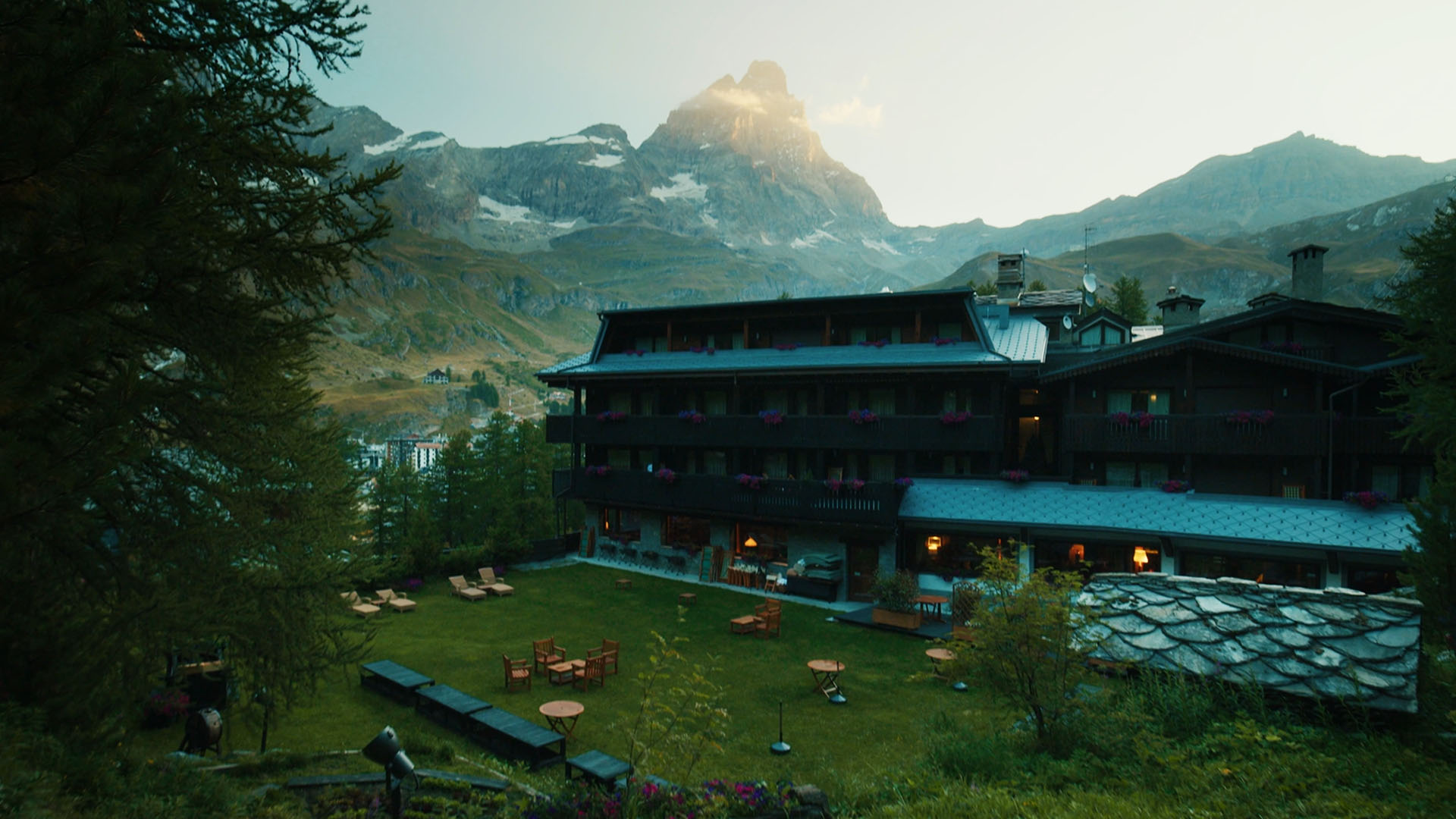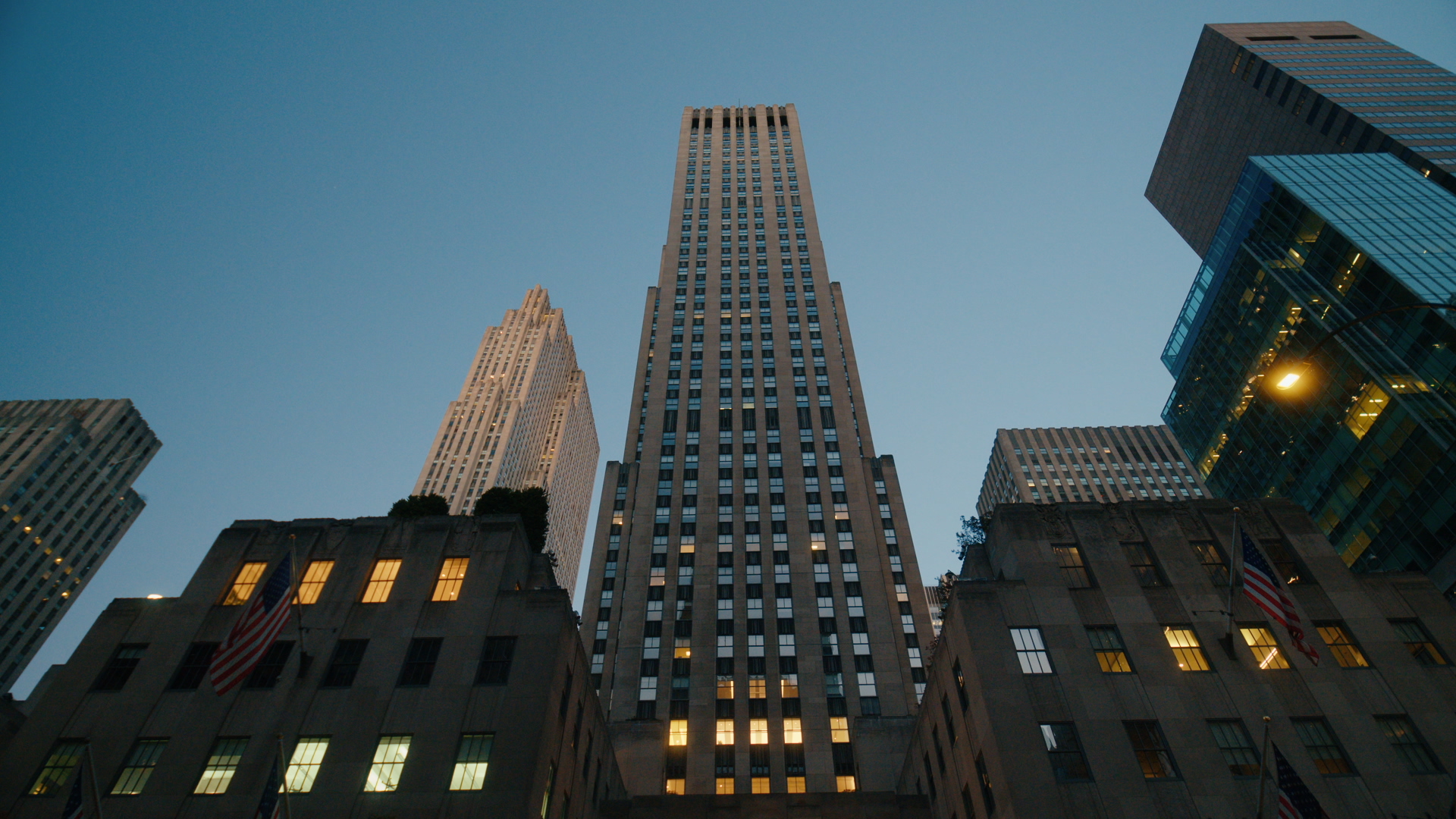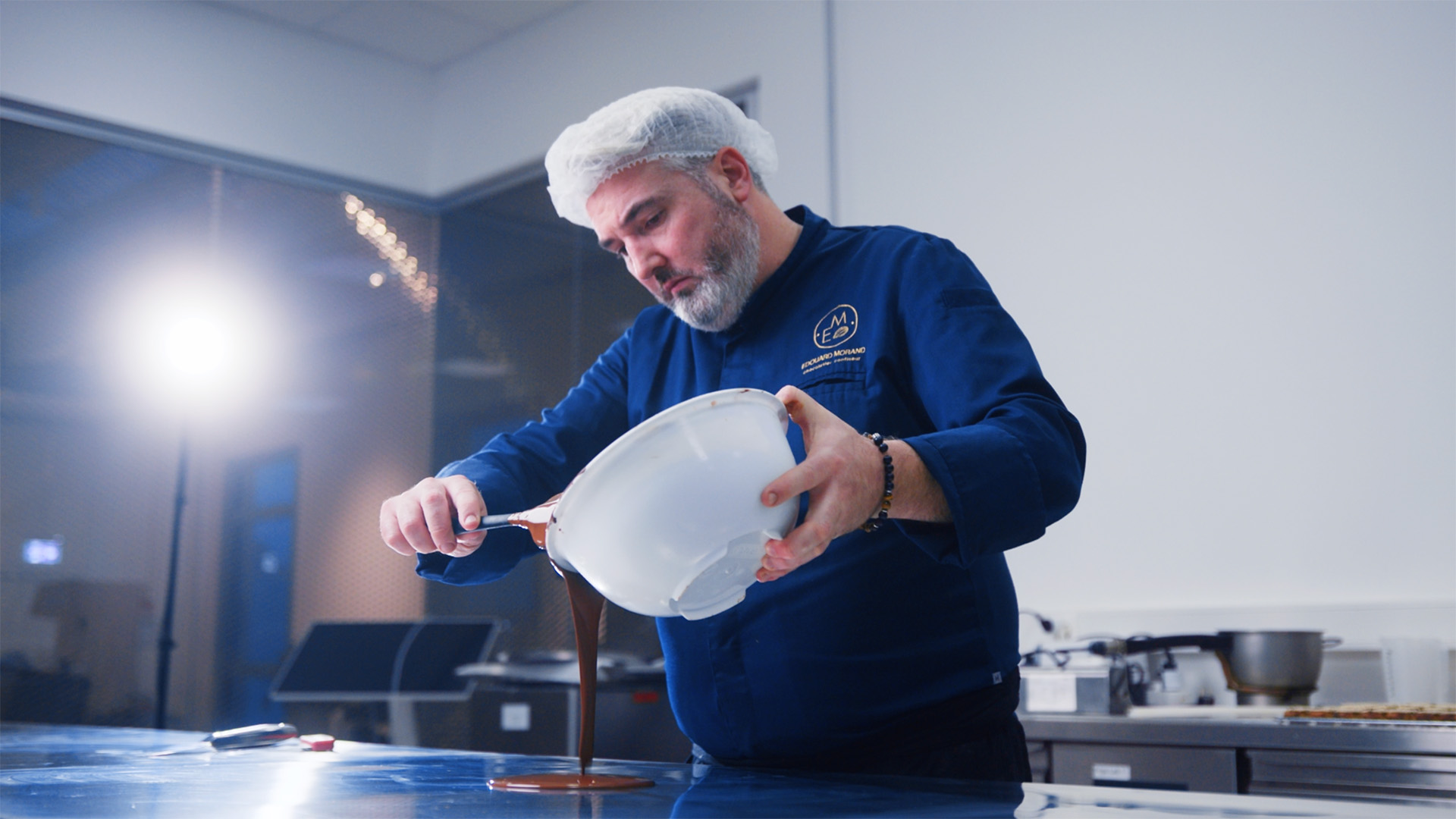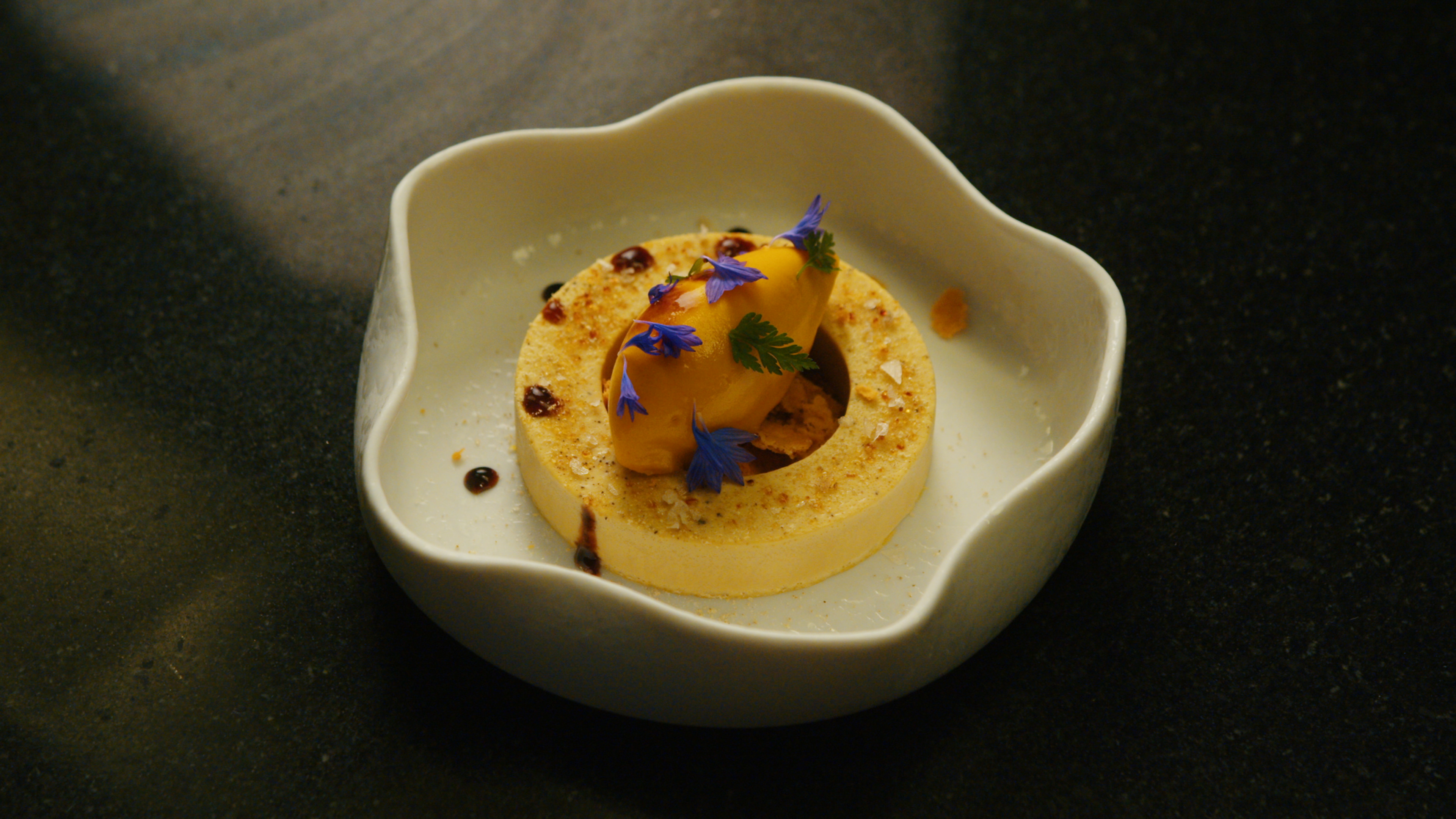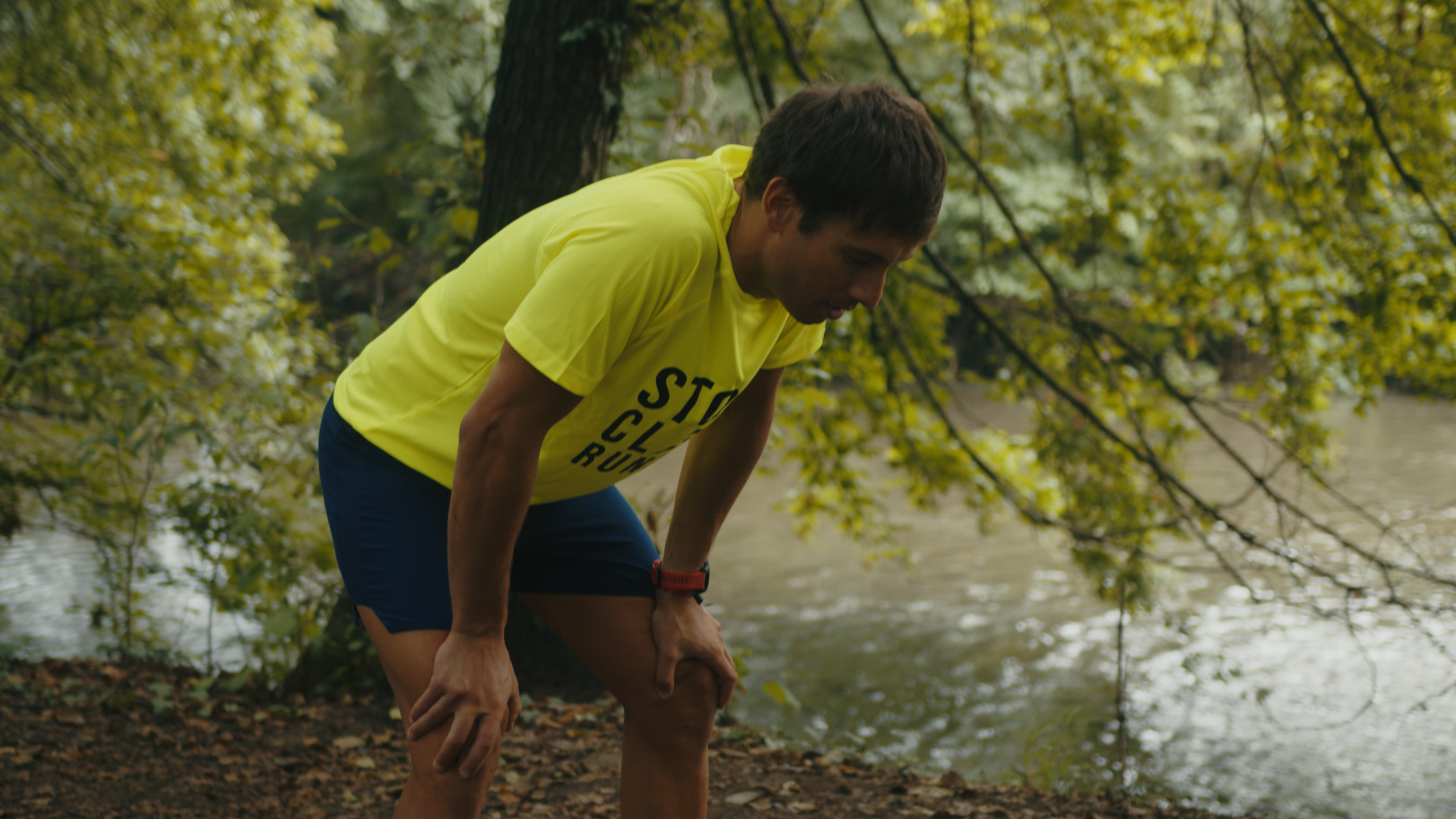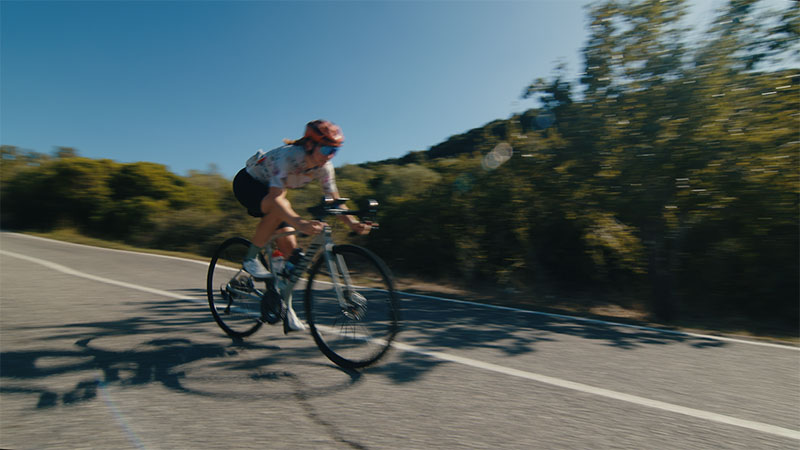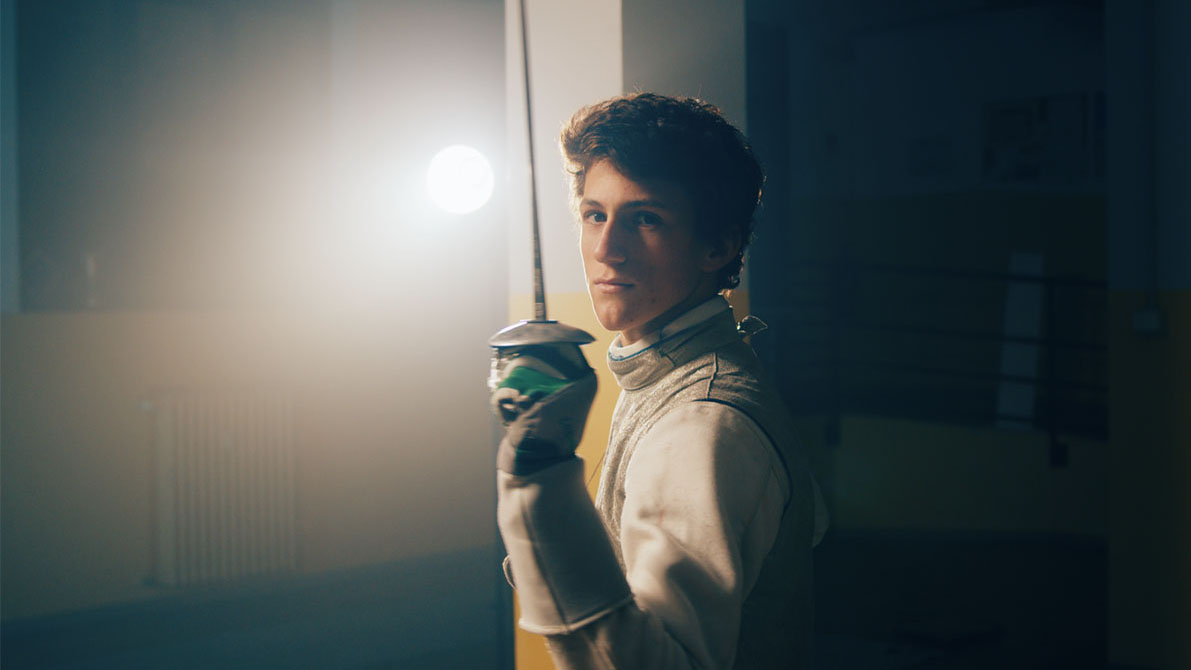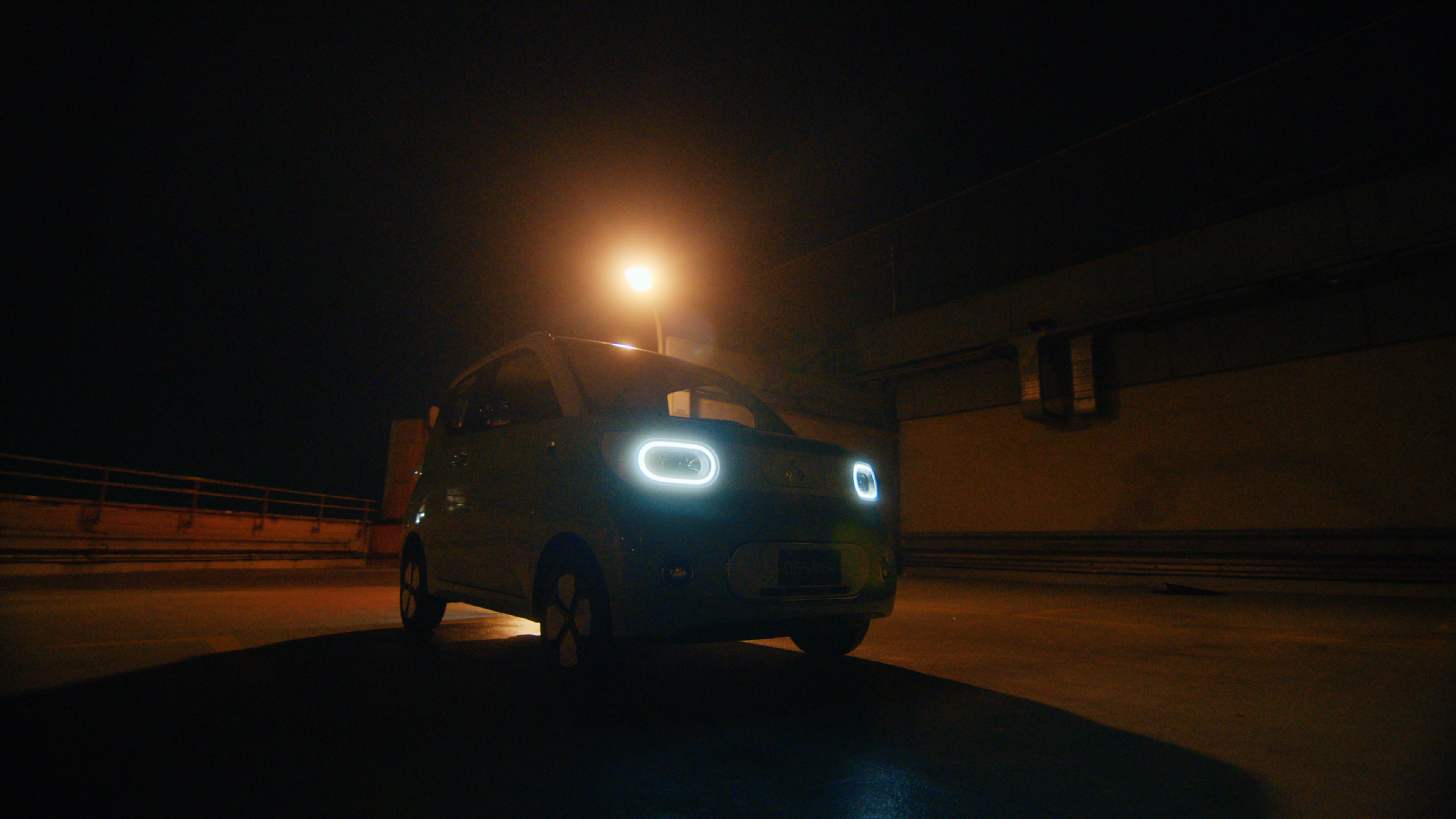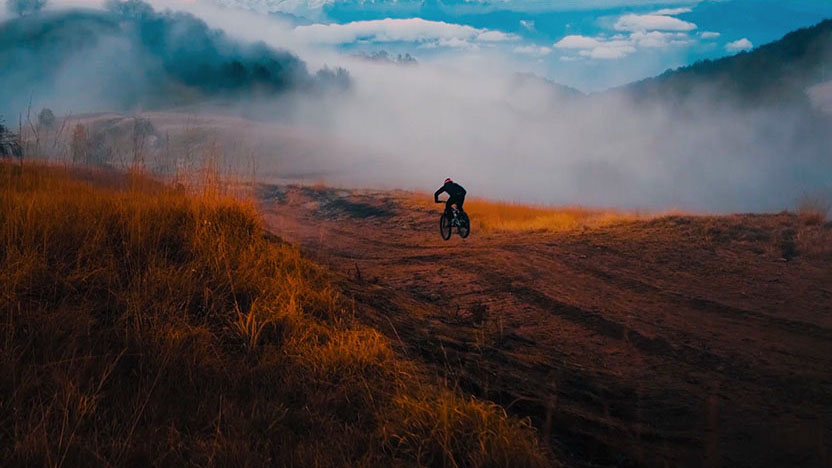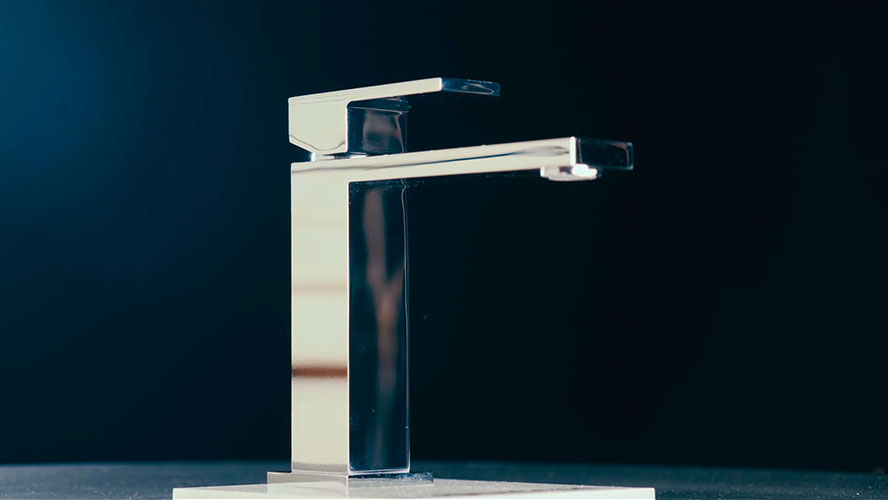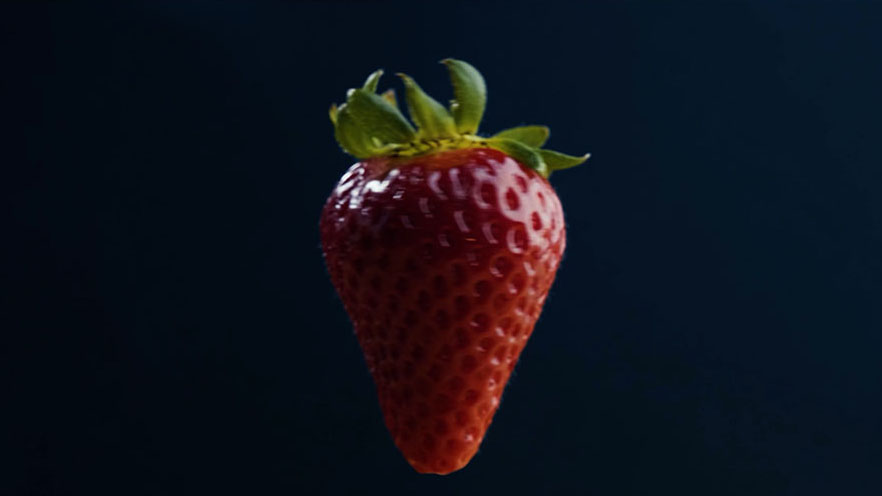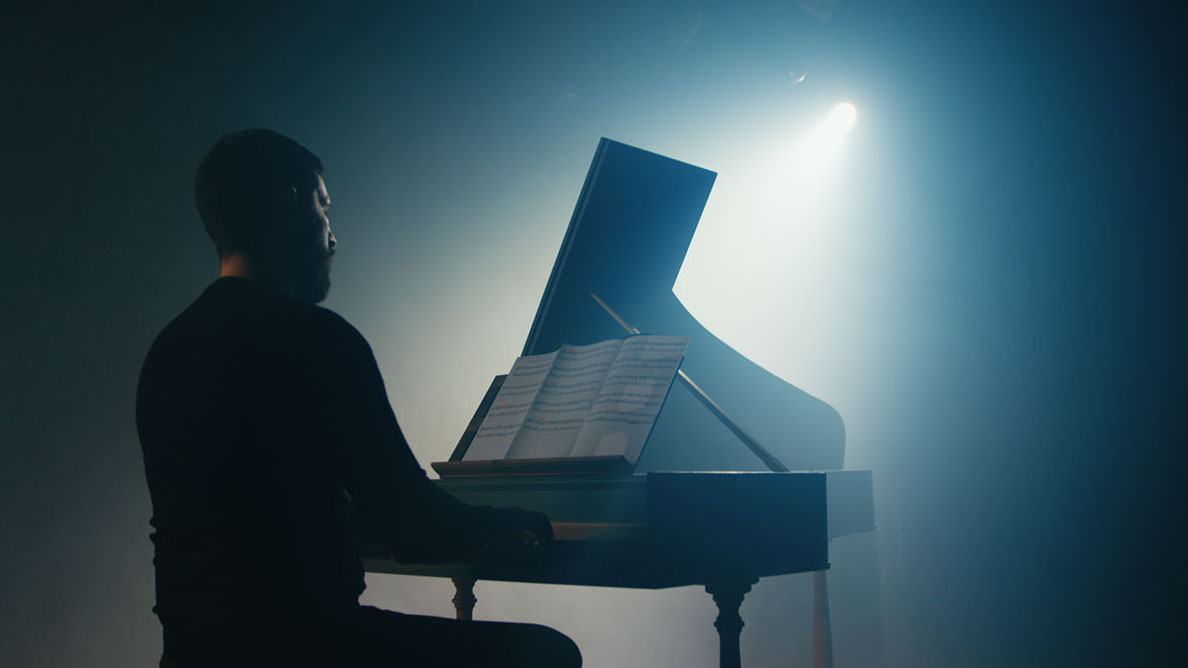

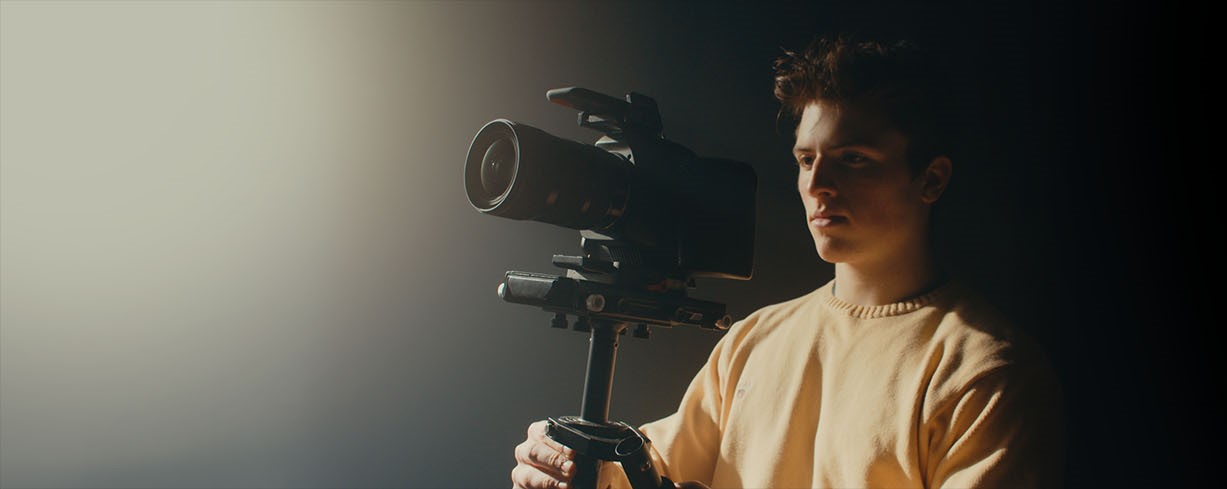
Communication has always been my passion.
At ten, I began experimenting with filming and video editing, which soon led me to explore every stage of audiovisual production.
This deep understanding of cinematography allows me to manage the entire creative process independently, avoiding the dispersion and coordination issues typical of large teams.
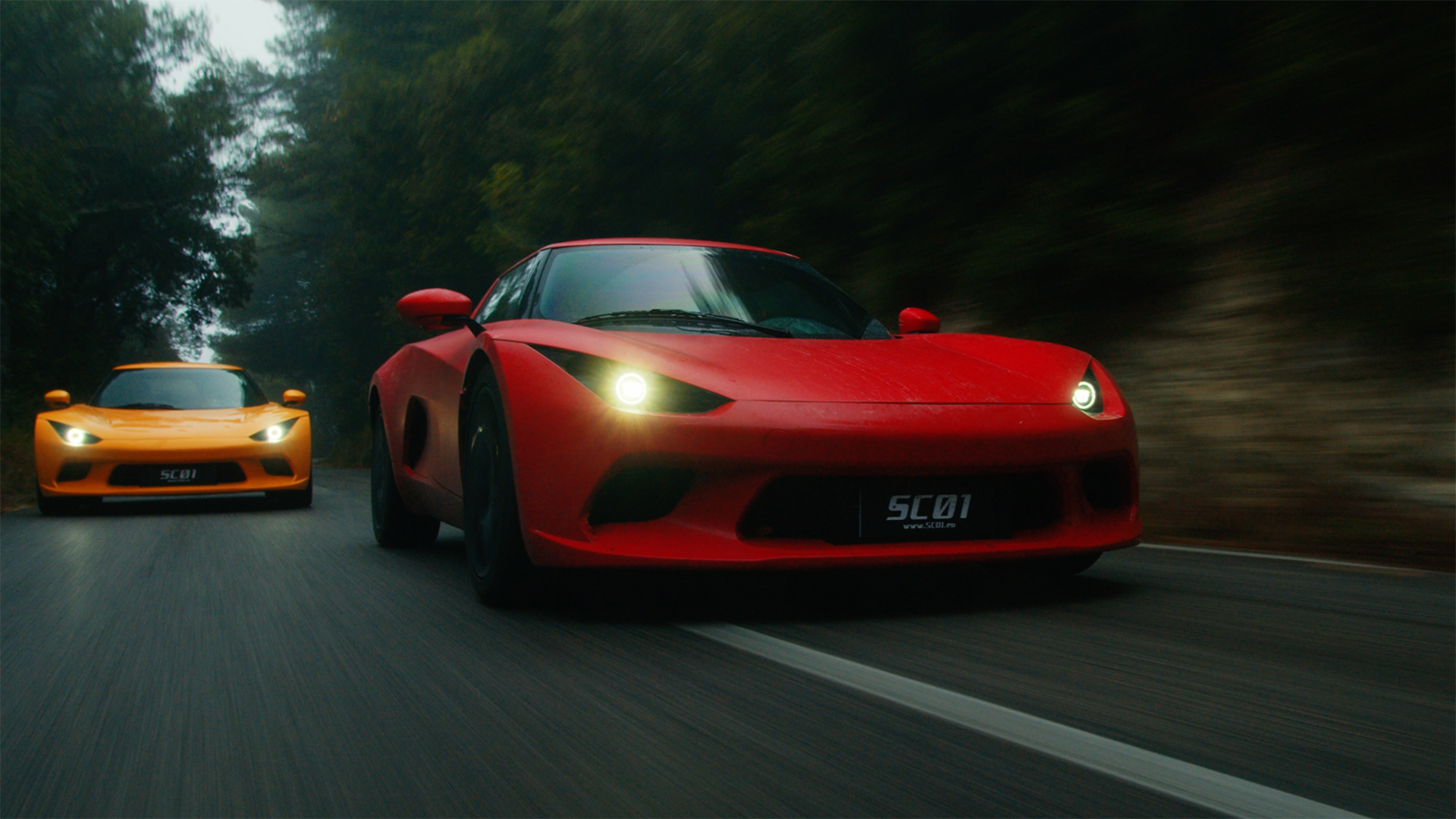
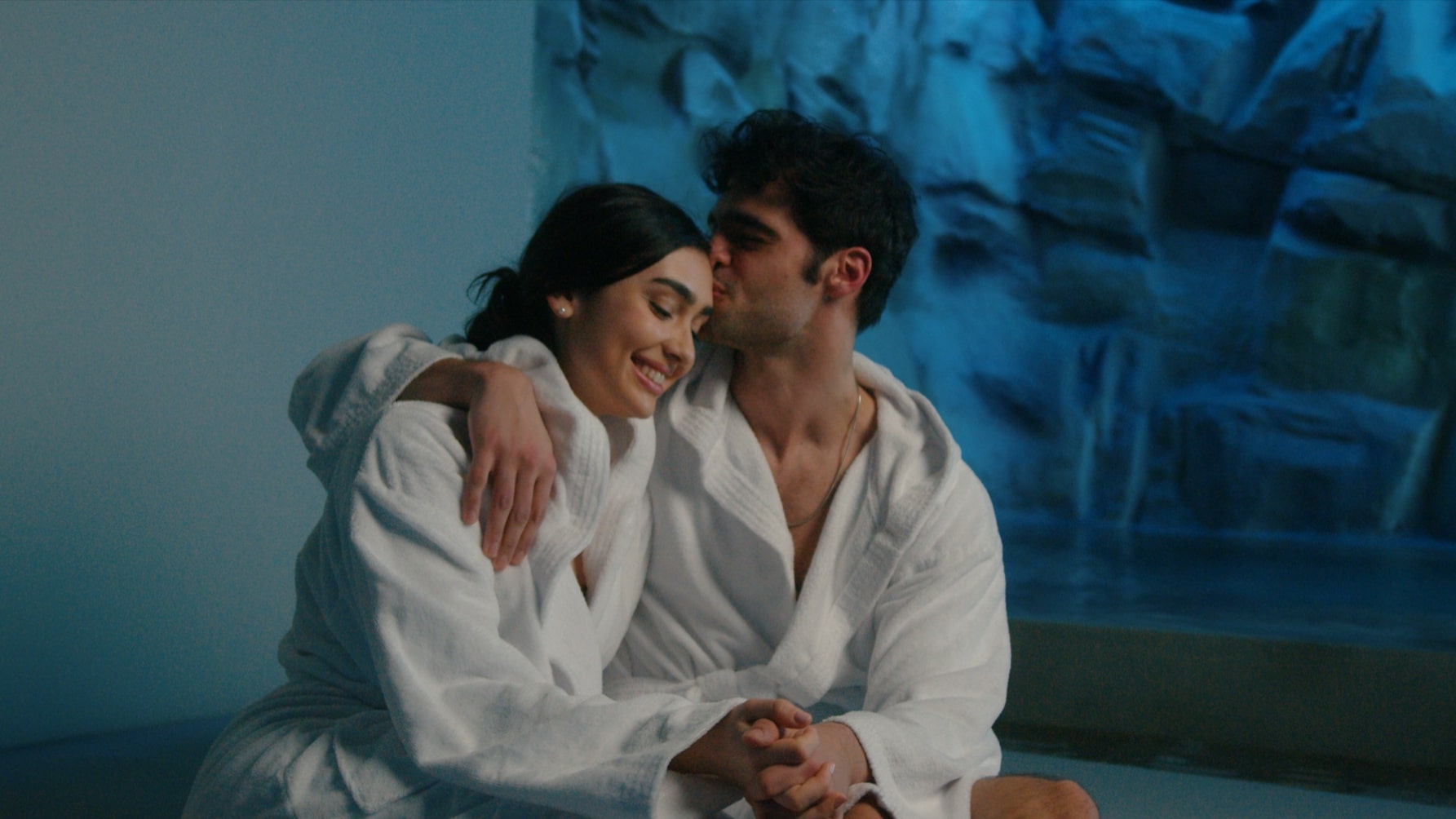
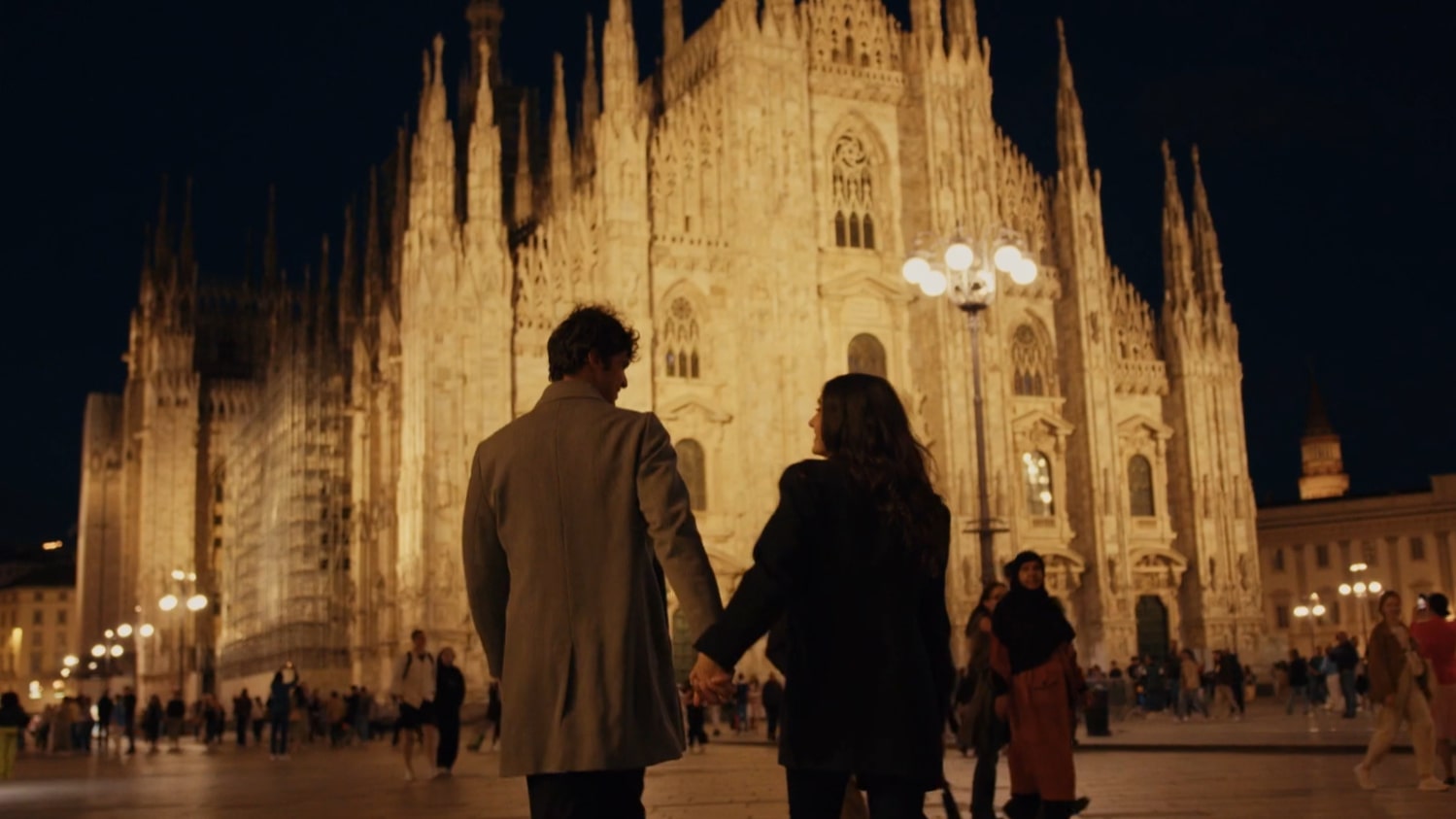
In essence, I deliver the production quality of high-budget projects, where I’m often hired as a DOP or director, at a fraction of the cost, ensuring results that are cohesive, refined, and truly aligned with the client’s vision.
To achieve this, I structure the production workflow into six key stages:
1- PRE-PRODUCTION
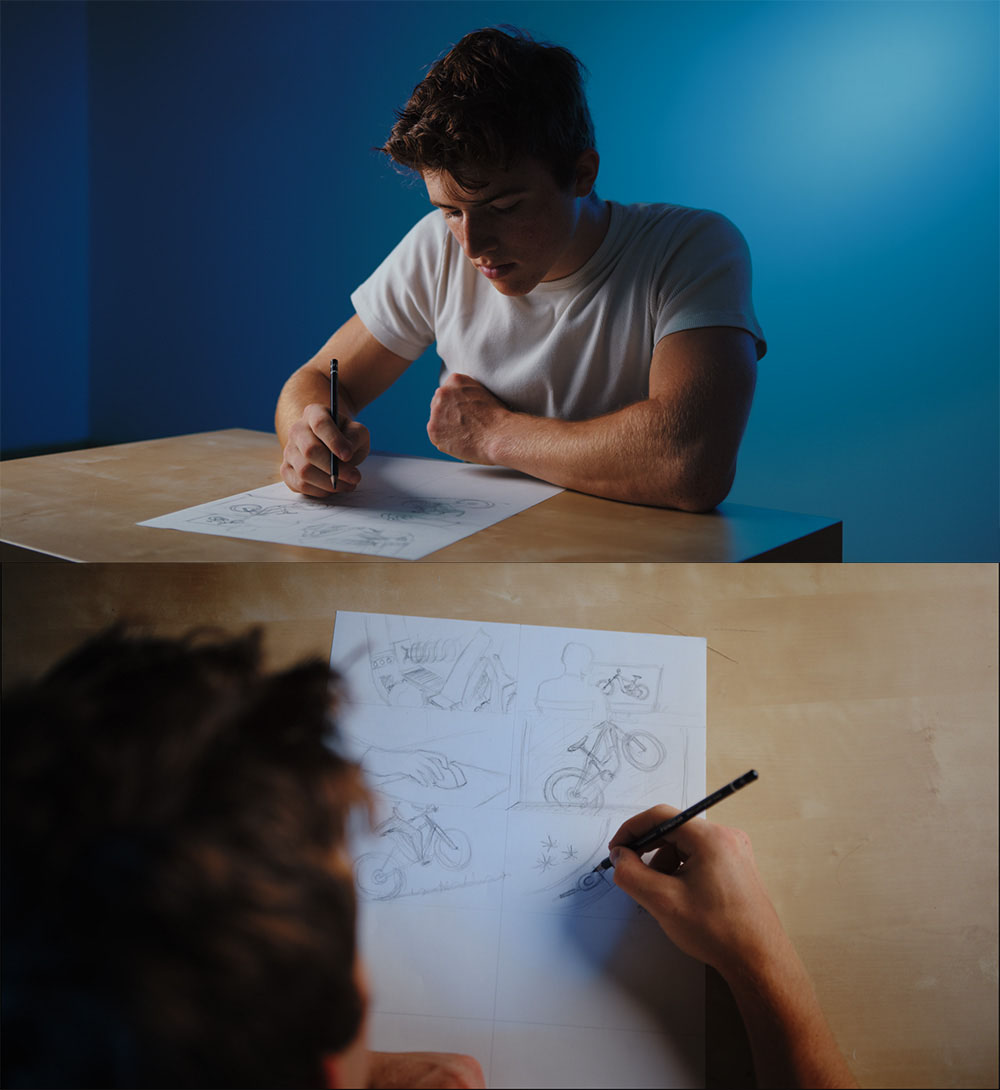
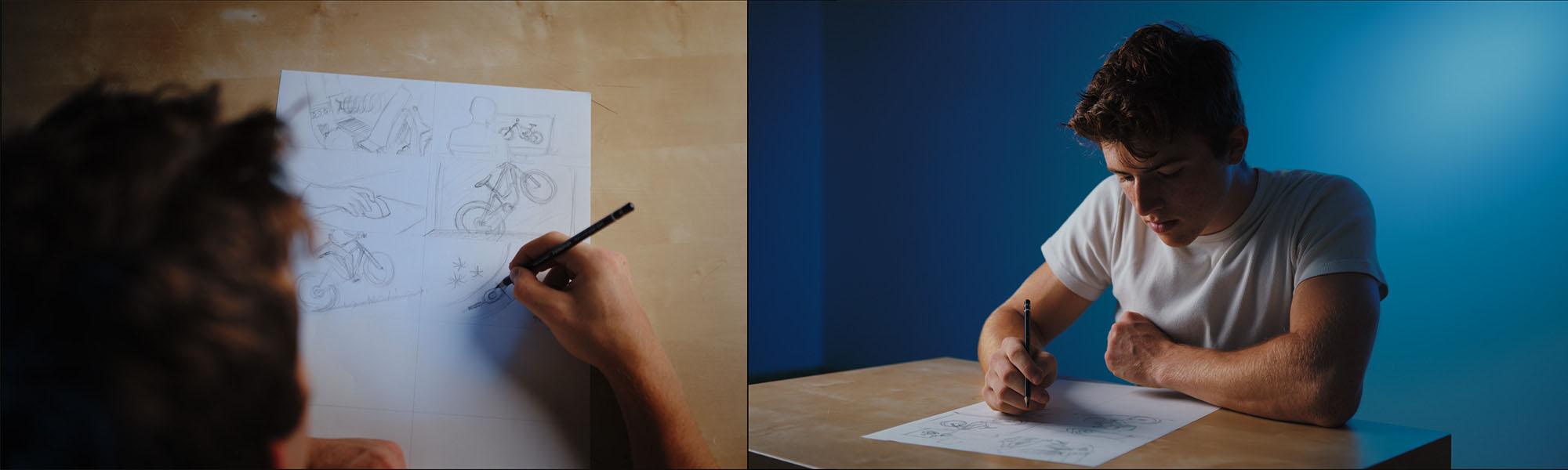
After a preliminary phase of getting to know the client and understanding their goals and business dynamics, I create a storyboard.
This helps shape a compelling visual narrative and allows me to visualize the project clearly before moving into the shooting phase.
2- SHOOTING
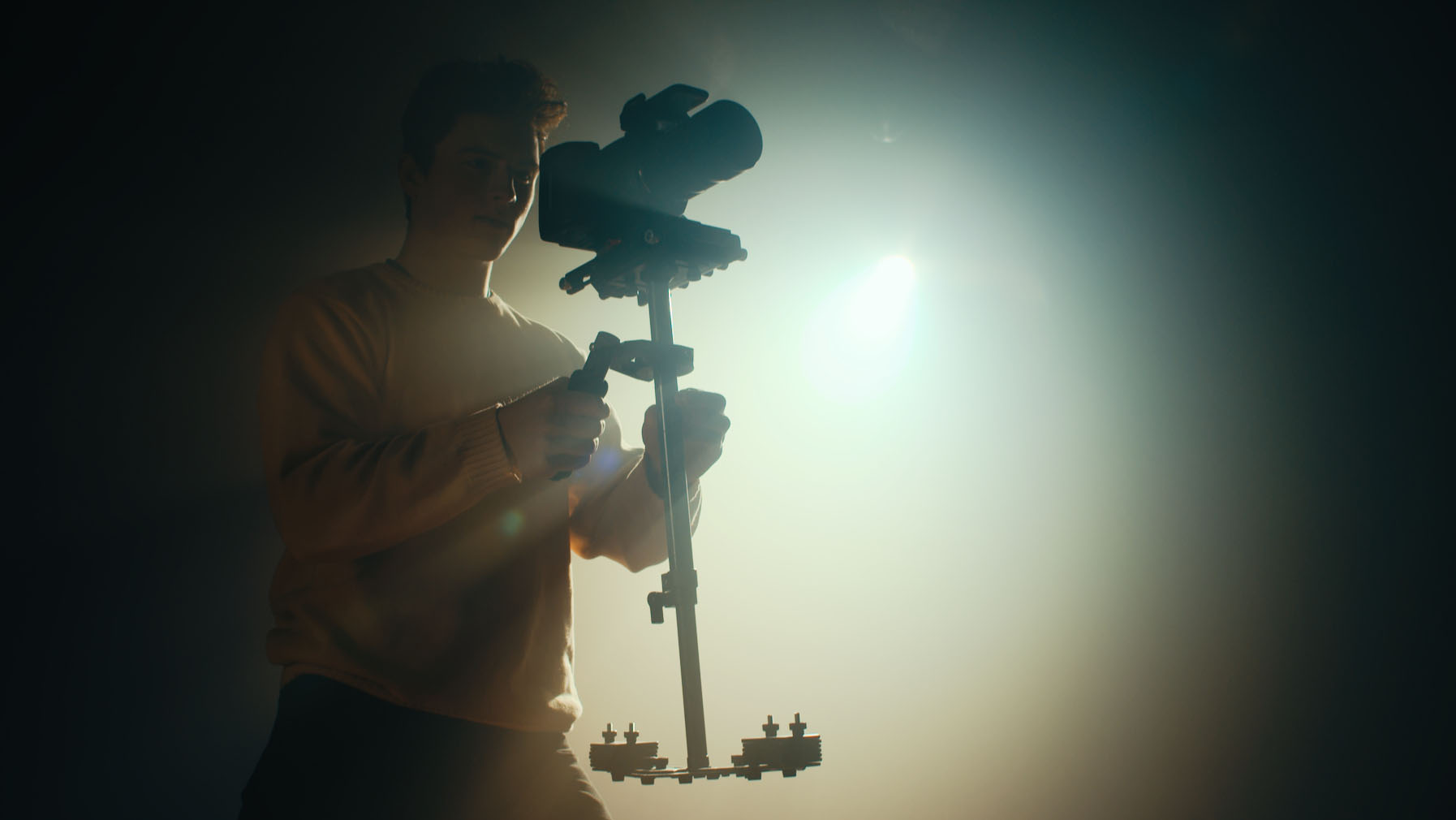
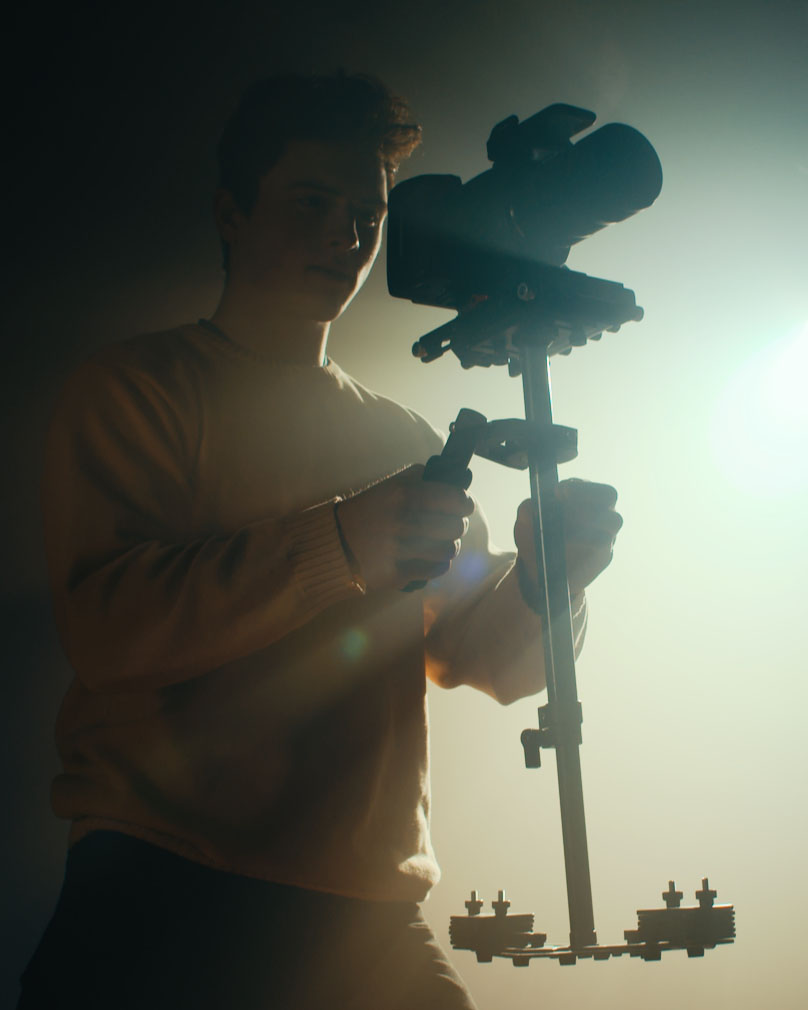
I work with Blakmagic Design Cameras, capable of capturing exceptionally rich images, both in terms of color and dynamic range.
I usually mount the camera on a DJI RS4 Pro gimbal to achieve smooth, dynamic moving shots that bring energy to the video.
For aerial footage, I rely on the DJI Mavic 3 Classic.
Finally, my three LED lights serve as the most powerful tool to add depth, contrast, and color to indoor scenes.
3- EDITING
To select and edit the footage, I move to DaVinci Resolve Studio, developed by Blackmagic Design and used in Hollywood for editing, VFX, color grading, and sound design.
The work carried out during the editing phase results in a dynamic and well-structured sequence.
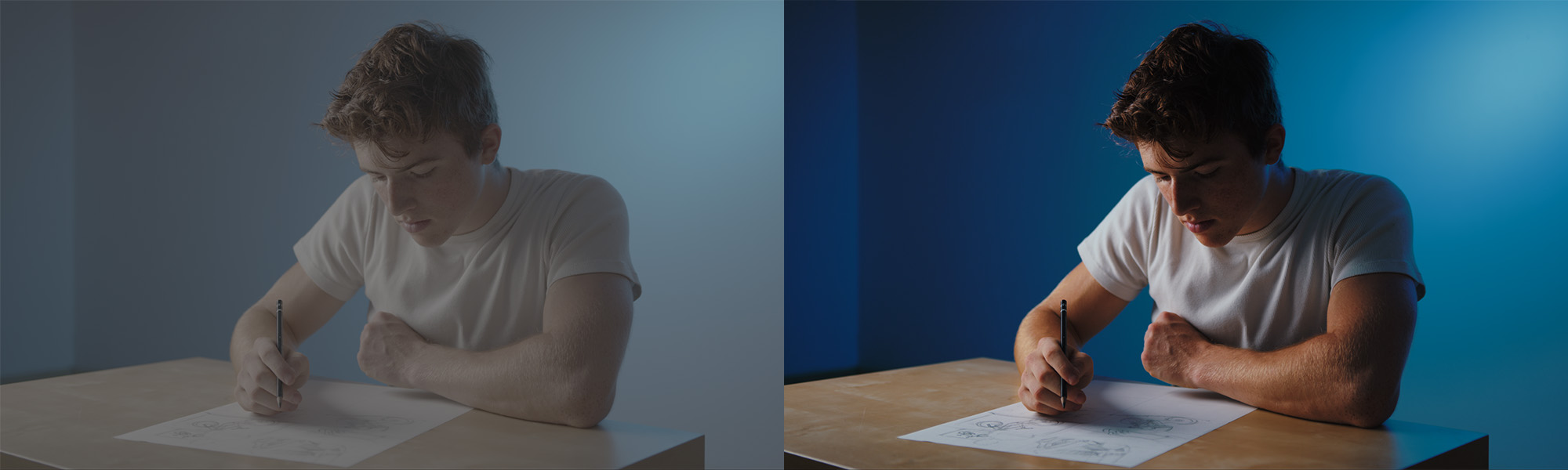
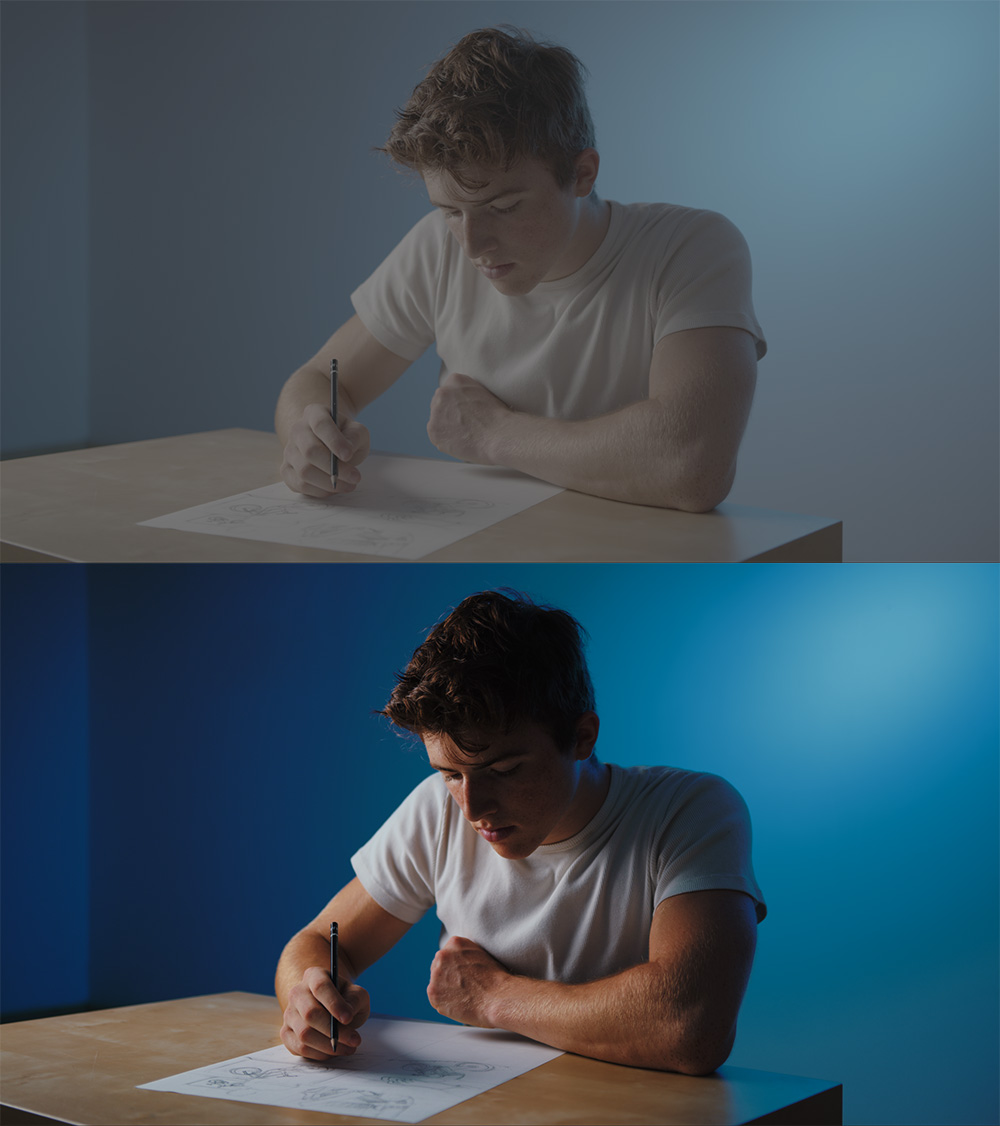
4- COLOR GRADING
In this phase, the RAW footage captured during shooting comes to life.
Through careful color grading, I can transform a flat image into one rich in contrast and color, create continuity between shots filmed in different settings, and give the project its own distinctive look.
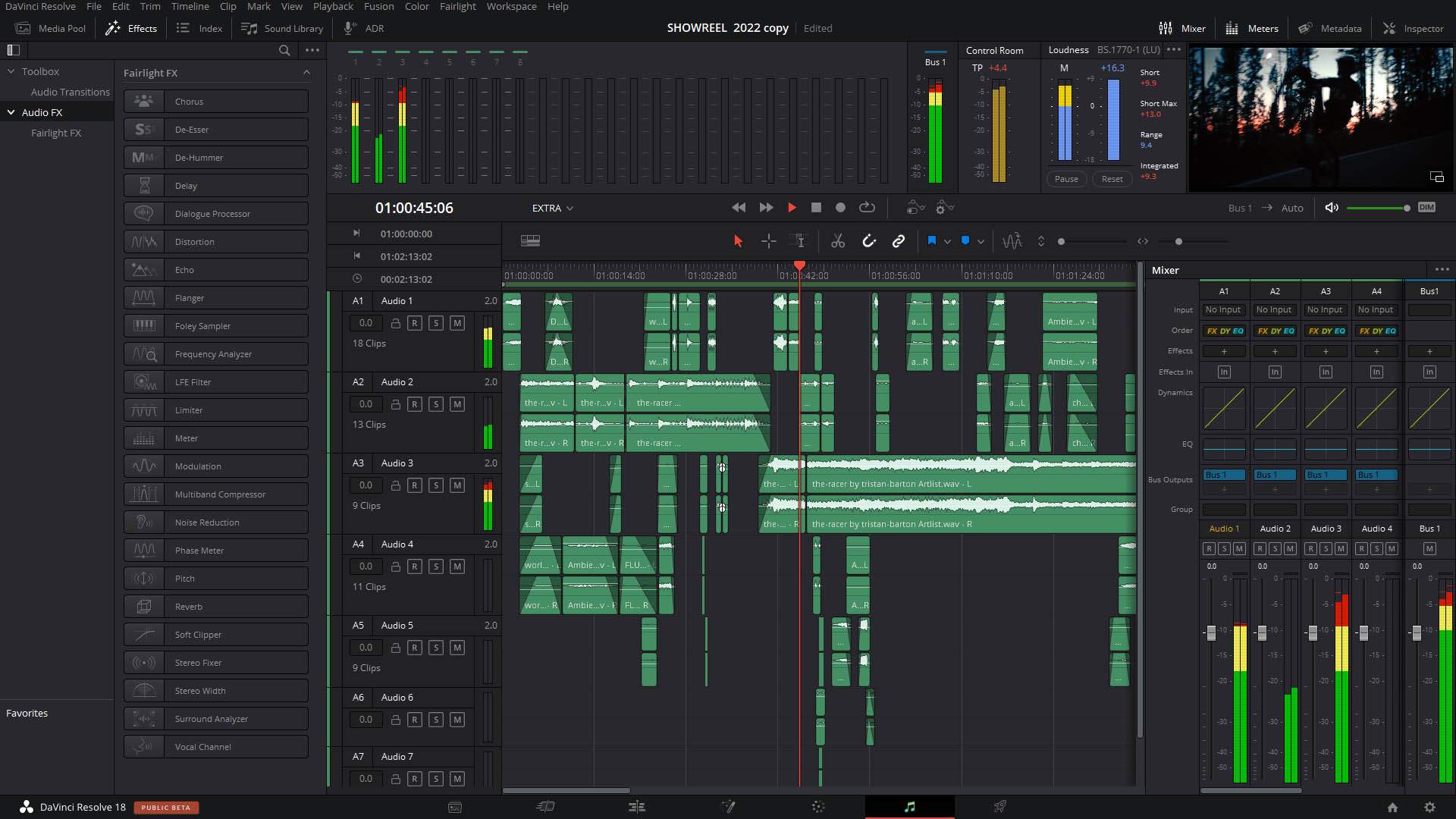
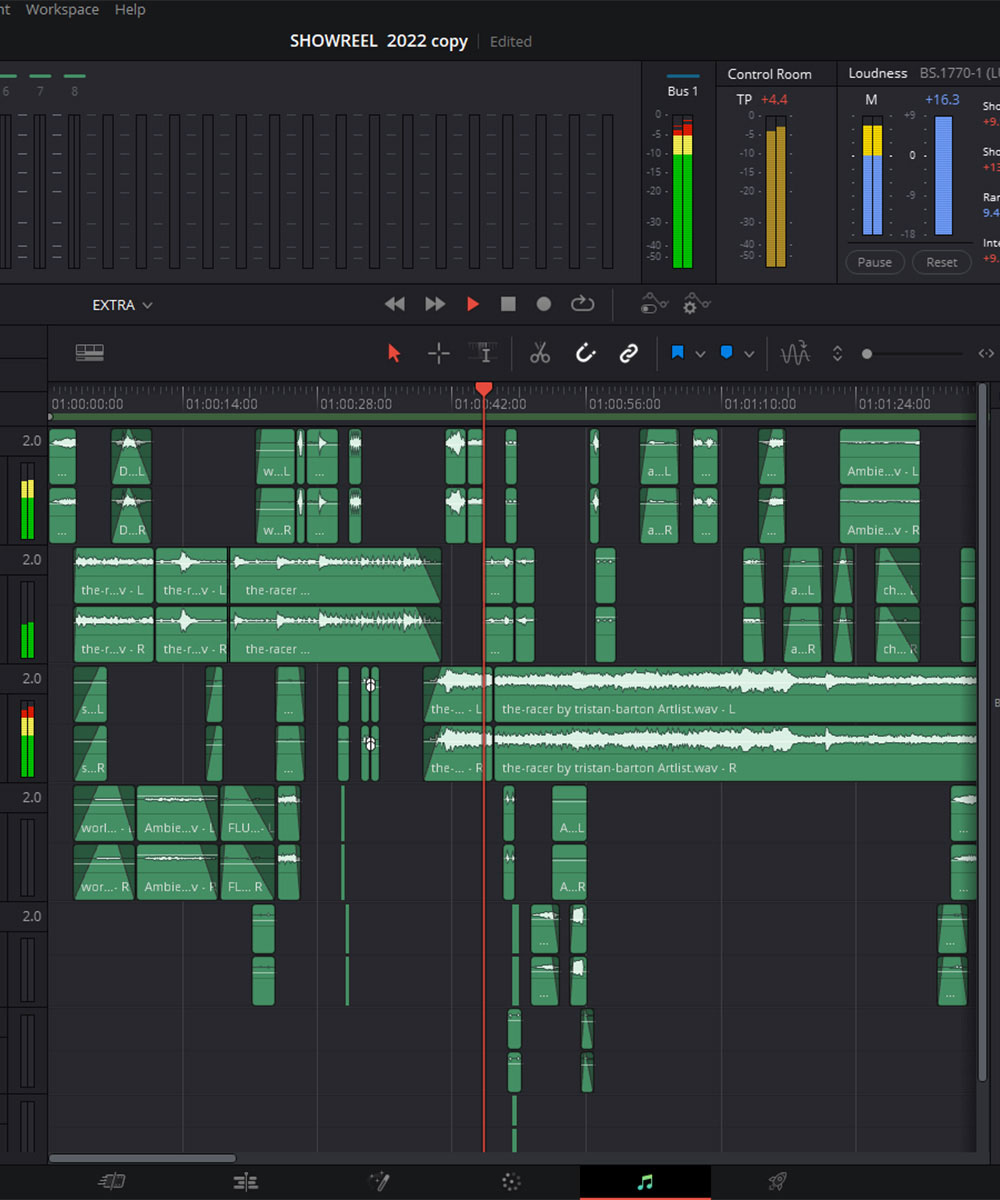
5- SOUND DESIGN
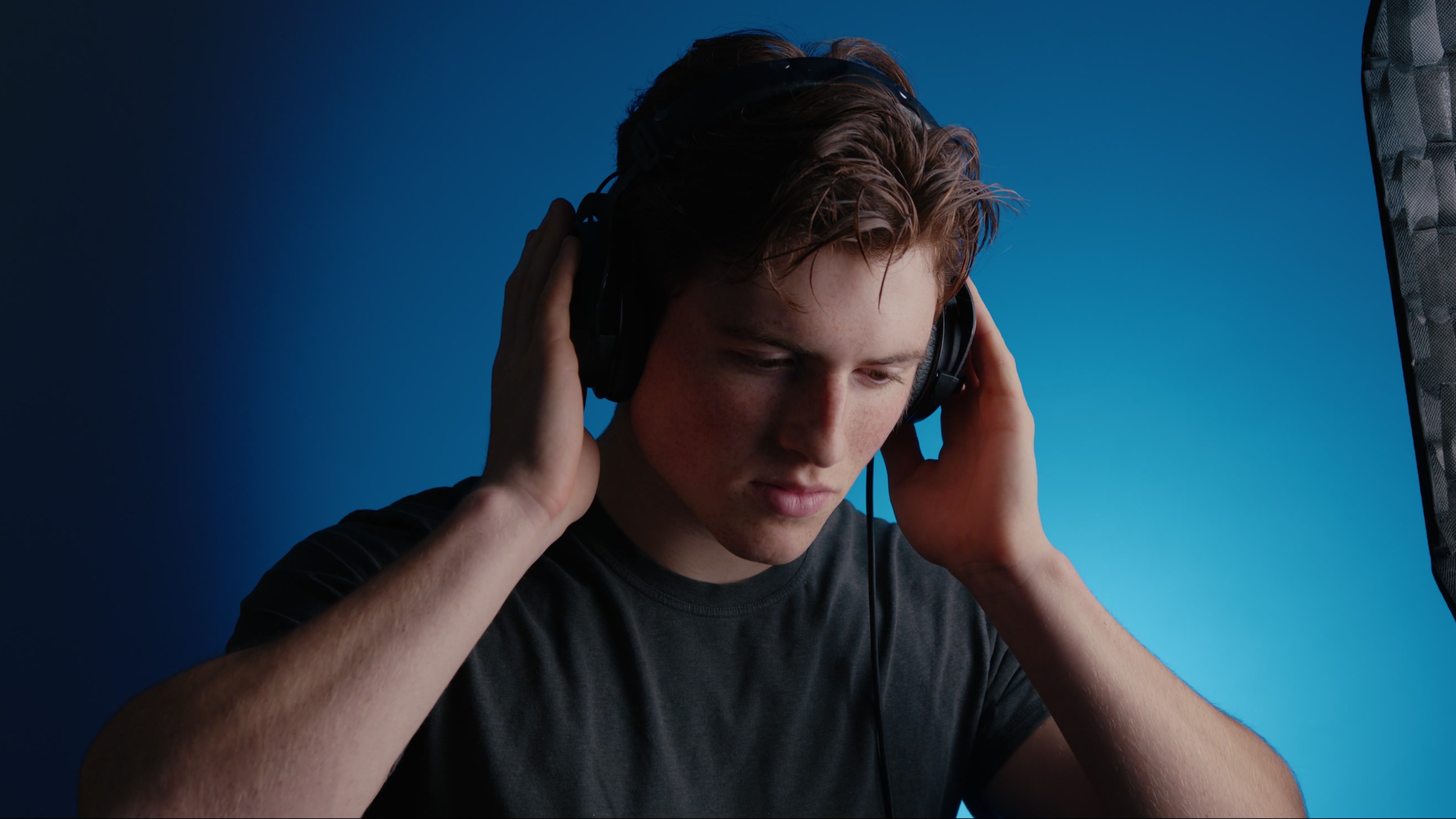
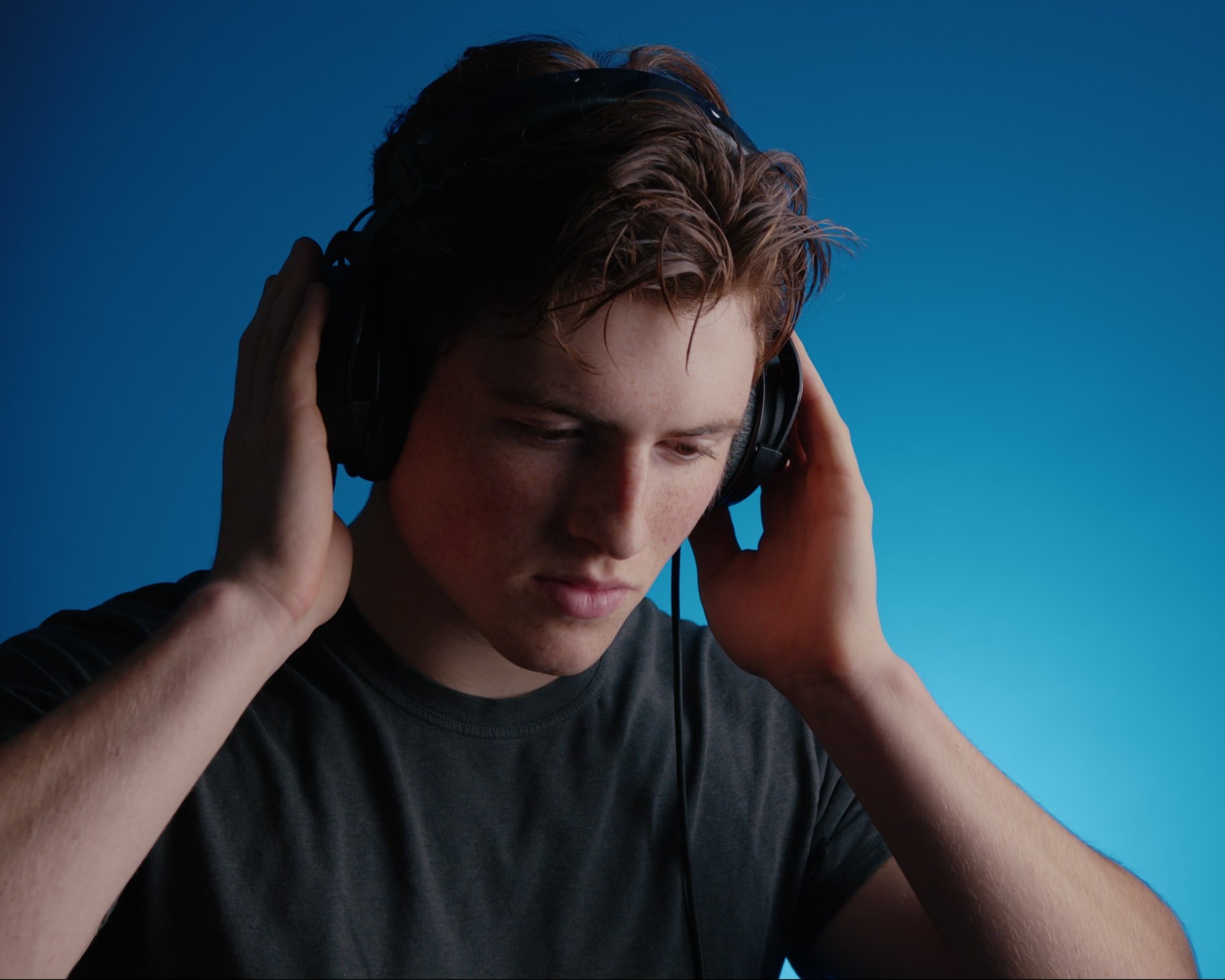
Sound is often an overlooked aspect, yet it’s essential to make the audiovisual experience dynamic and immersive.
Sound design involves reconstructing the acoustic environment within each scene, both through recordings made on set and by creating sounds from audio tracks in my personal libraries.

6- EXPORT
In this phase, the project is exported from DaVinci and sent to the client with a watermark applied.
After implementing any requested revisions and receiving the client’s approval, the watermark is removed and the final version is exported and delivered.